I started my career as a journalist since I was university student. I worked in many press agencies as a freelance, till I chose Radio and Television to be my major. I started to focus on photography as –in Egypt- it provides freedom more than writing articles, especially with revolutions and social media that gave photos the highest importance nowadays. Since then I started to work as a photo-journalist or one women crew in Daily News Egypt. My new job afforded me the chance to concentrate on documentary aspect by creating memorable photos that will be always remembered with the passing of time. The majority of 90s generation received the meaning of social equality through television and political chants, but for me as an Egyptian girl, I think that social equality starts from our homes that lack this concept and confine to watch it on television only. Here comes photographer or artist role in documenting the miserable reality in an artistic way. In my country, photography is totally different as the society always considers photos as an enemy although everyone now pick photos to him and his family with mobile phones; however camera phobia still controls our streets and our homes as well.
2017 - Mentor films Jordan , 2017 - Journalists Syndicate Competition, 2016 - zatak , 2015 - IBdaa Center Award for mobile photography
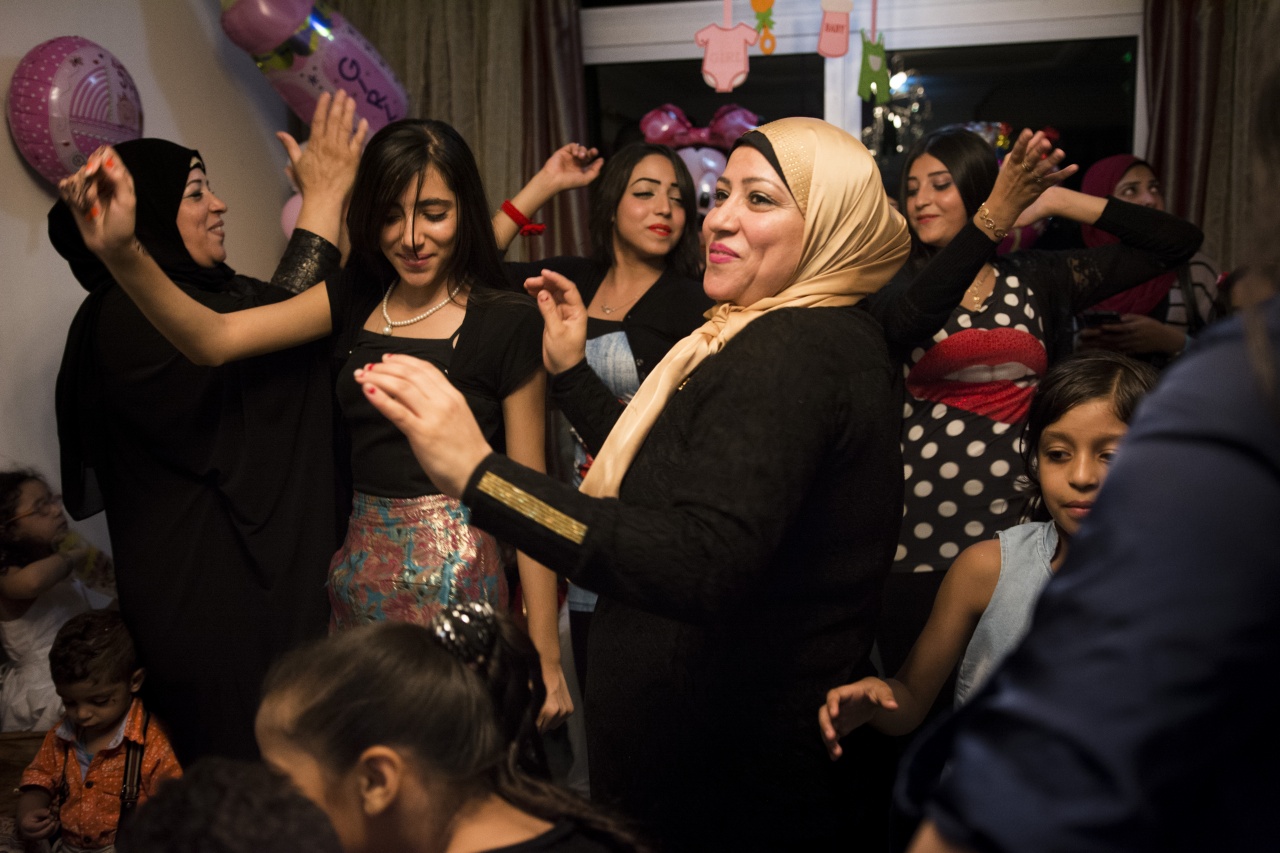
At the beginning of the celebration, the baby is placed in a sieve, a kind of tray with a bottom net used in kitchens to separate flour from other impurities before preparing the dough. Today, however, such sieves are hardly used. Instead, the decorated sieves sold at Darb al-Barbara market are precisely intended for Sebou’ celebrations — blue sieves for baby boys and pink ones for baby girls.Long ago, the sieve would be placed on a high table with a traditional kettle next to it in case of a male infant, or a clay pitcher in case of a female infant. This tradition no longer takes place today. Then, the sieve and the child were carried and placed on the floor. This is when, most often, the grandmother or another elderly relative of the baby, started banging a copper pestle and mortar and repeating commandments to the baby, advising him or her to be obedient to the parents.
Although some Sebou’ ceremonial songs are not totally comprehensible to many Egyptians, because of their ancient roots, the words are still repeated out of tradition. One song refers to the child’s earrings. Some say this can be traced back to the pharaohs, who used to give golden hooped earrings to their infants. The hoop refers to the Goddess Isis, the mother of the god Horus. Egyptians would whisper through the hoop to the infant to obey God, making this the first thing he or she hears. It is believed that hearing starts seven days after birth. This is why there is so much noise during the Sebou’.
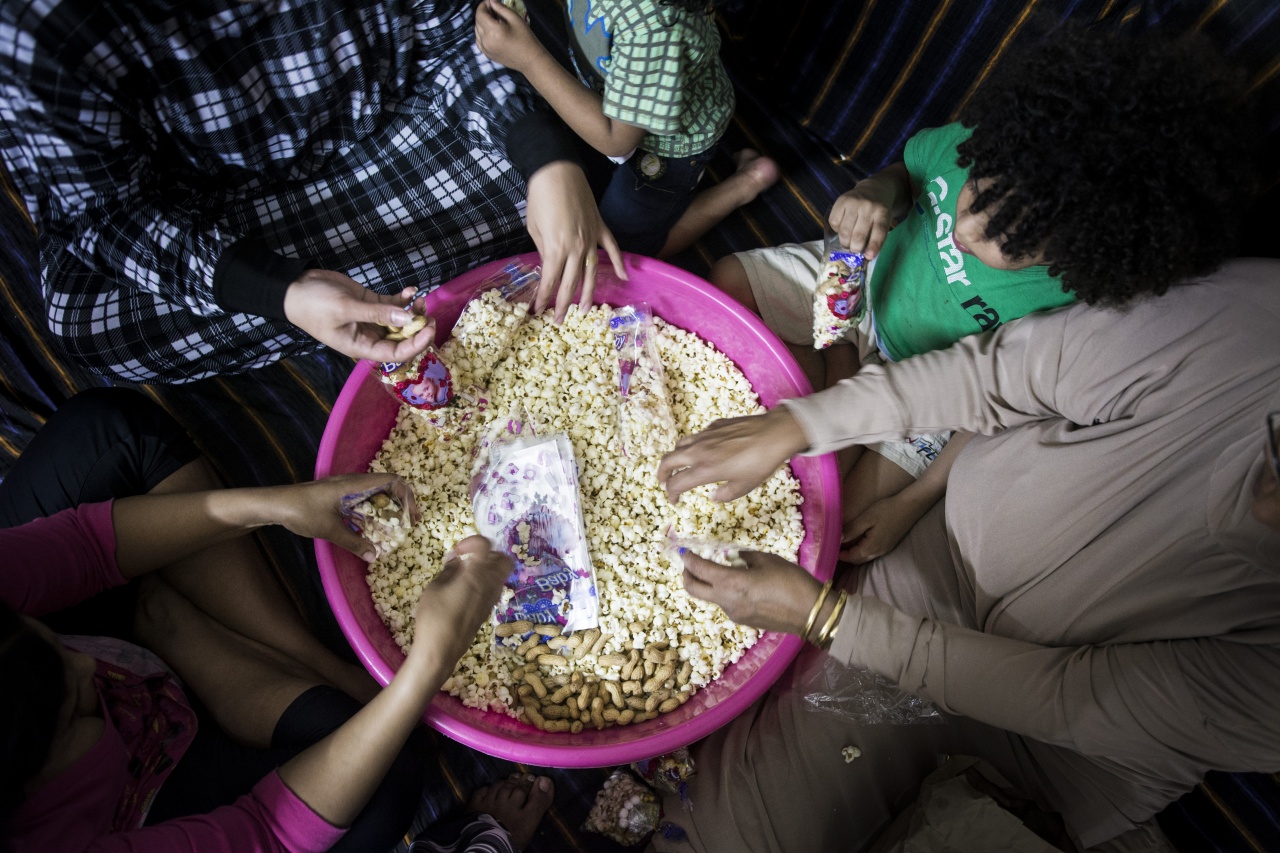
After the grandmother brings the bags and boxes of sweets from Darb al-Barbara market, the women and children gather at night in the newborn’s house to prepare cones of candy, popcorn, peanuts, hummus and artichokes. They also prepare seven bean grains to show optimism concerning the new arrival.